
 +86-532-8579-6999
 export@lightyearauto.com
 Shandong, China



News

-
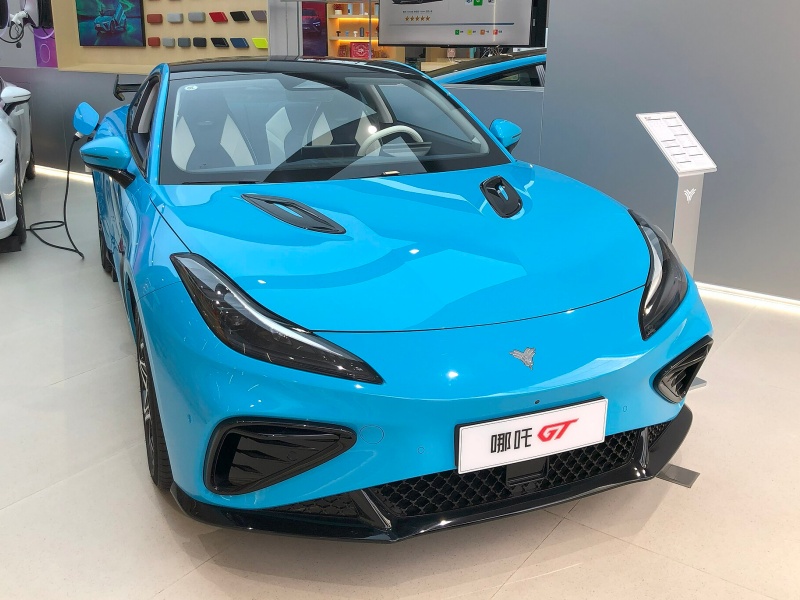
 2026-08-20Orphaned EVs Pose a Growing ChallengeWith 23 Chinese EV makers having gone bankrupt or ceased operations since 2020, over 850,000 electric cars face uncertain futures. Owners are encountering locked diagnostic systems, vanishing parts supplies, and shut-down cloud services. The issue highlights the urgent need for mandatory exit mechanisms to ensure vehicles remain serviceable long after their manufacturers disappear.
 -
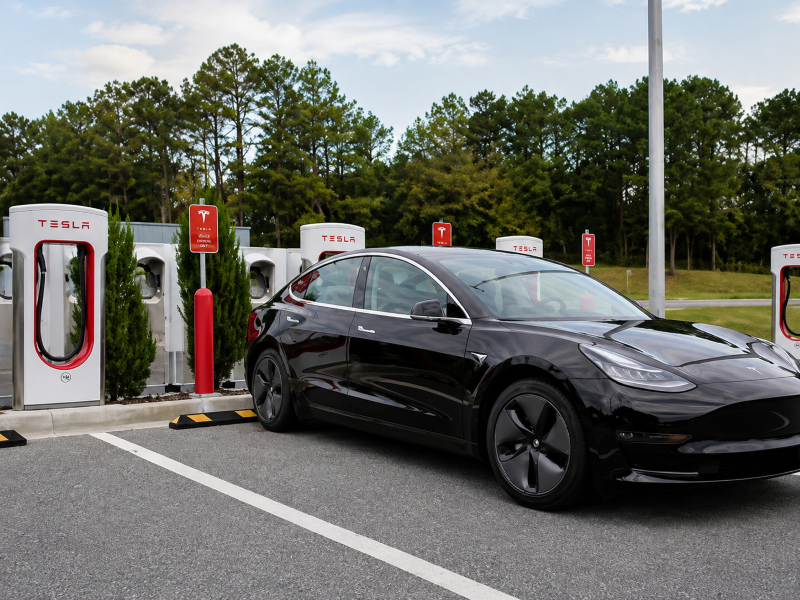 2026-08-14EVs Go Mainstream: The Tipping Point Has ArrivedGlobal EV sales surpassed 20 million units in 2026, with penetration nearing one in four new vehicles sold. Falling battery prices below $100/kWh have brought price parity within reach, while total cost of ownership now favors EVs in many segments. Expanding fast-charging networks and commercial vehicle electrification further accelerate the shift. Challenges including mineral supply chains and grid capacity remain, but the mass-market tipping point has arrived.
 -
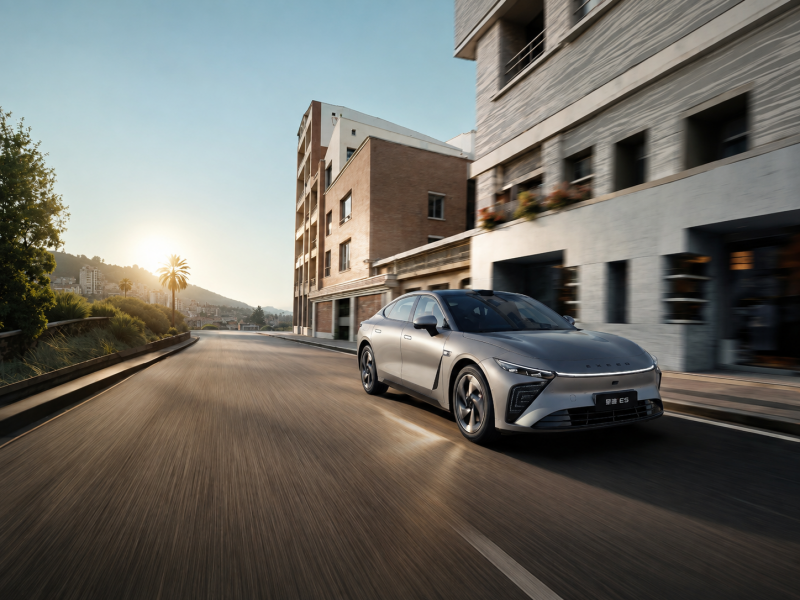 2026-08-07Exeed ES 2027: A Balanced Sports Coupe for AllThe 2027 Exeed ES officially launched on July 20, priced from RMB 179,900. Developed through deep collaboration with Tongji University, the model offers both extended-range and pure-electric variants. It blends race-proven chassis tuning, mature intelligent driving, and comprehensive safety, aiming to deliver a high-performance vehicle with no glaring weaknesses for the family market.
 -
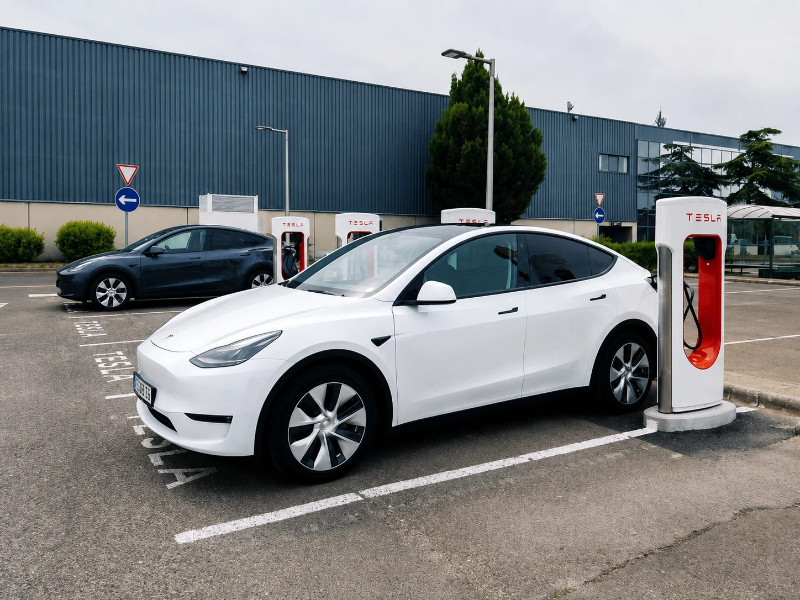 2026-07-29Smarter Batteries, Longer DrivesThis article explores how smarter battery technology – driven by advanced Battery Management Systems, AI thermal control, and intelligent cell balancing – is extending EV range, speeding up charging, and preserving battery life without necessarily increasing pack size. It highlights the shift from battery hardware to software intelligence and what this means for the future of electric driving.
 -
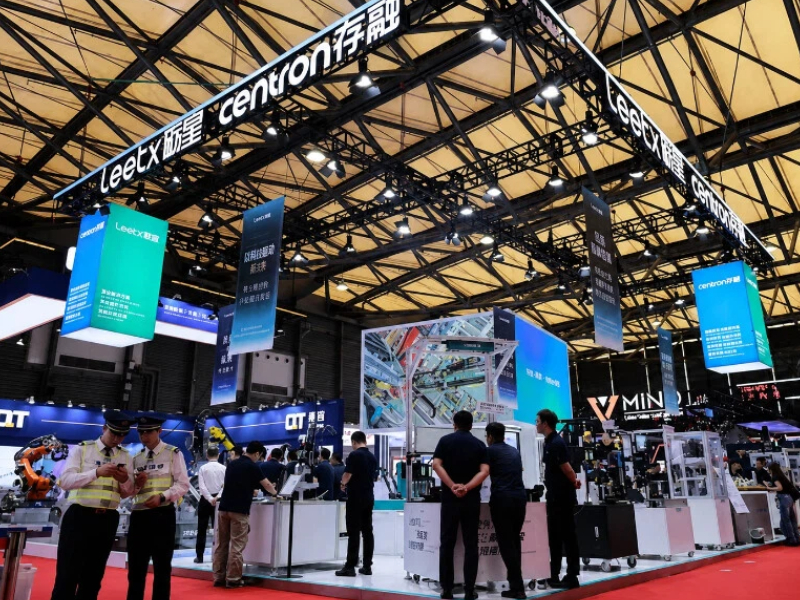 2026-07-22Redefining EV Assembly Safety with AI-Powered PrecisionThis press release covers Leetx and Centron's joint exhibition at AMTS 2026 in Shanghai, showcasing how AI vision and data-driven control systems are transforming NEV assembly – from adhesive dispensing and fastening to battery pack safety and human-centric automation.
 -
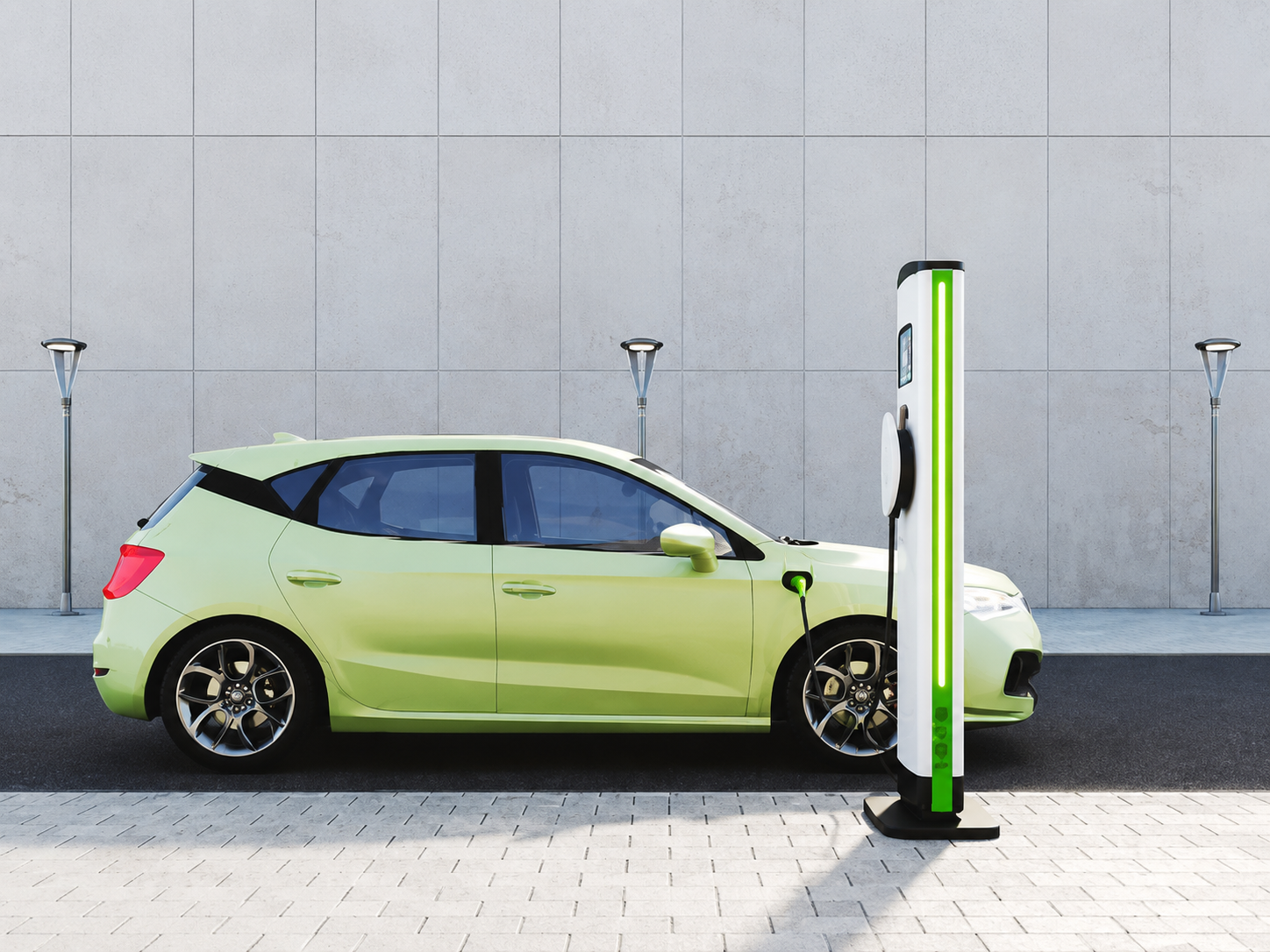 2026-07-16Fast Charge, Go Far: The New Era of EV PowerThis article offers practical summer EV battery care tips. It explains why high temperatures accelerate battery degradation and provides two key habits – charging during cooler hours and letting the battery rest before plugging in – to help EV owners protect their batteries and extend battery life during hot weather.
 -
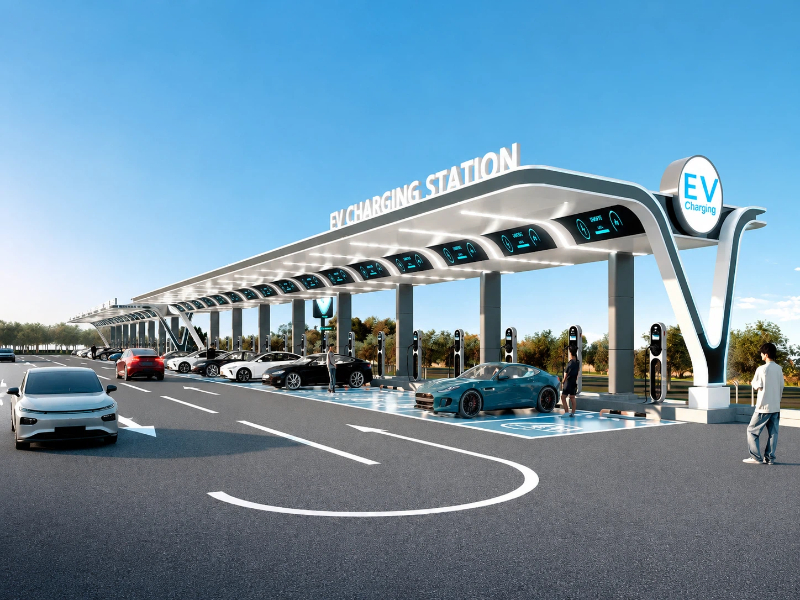 2026-07-09Ultra-Fast Charging Technology Reshapes the EV IndustryUltra-fast charging technology is transforming the EV industry by significantly reducing charging times and improving convenience. Advances in 800V platforms, battery technology, and charging infrastructure are accelerating global EV adoption and shaping the future of sustainable transportation.
 -
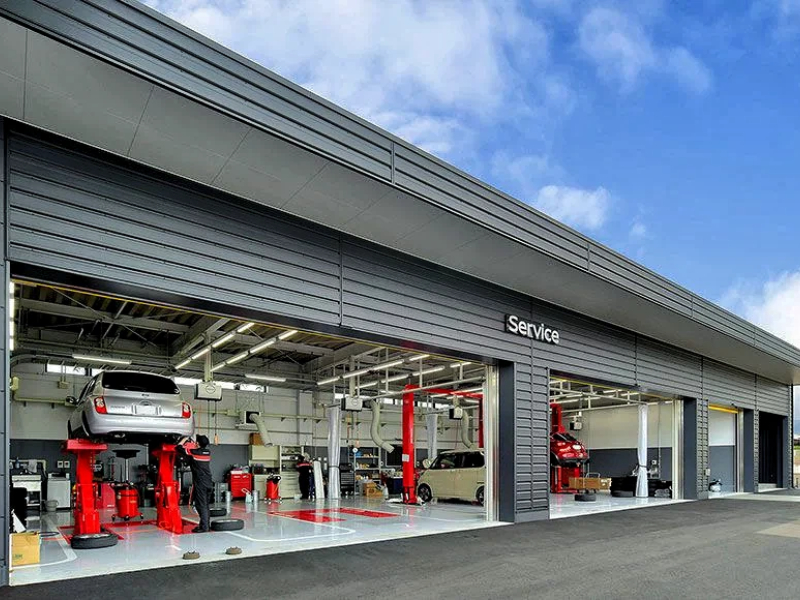 2026-06-29Smarter EV Repair: Component Over SystemMainstream dealerships often replace entire EV systems for minor faults, leading to sky-high repair bills. This article explores a smarter, more sustainable approach: component-level repair. By fixing isolated parts—like a single battery cell or a circuit board chip—independent mechanics are saving consumers thousands of dollars and reducing e-waste, driving the future of affordable EV ownership.
 -
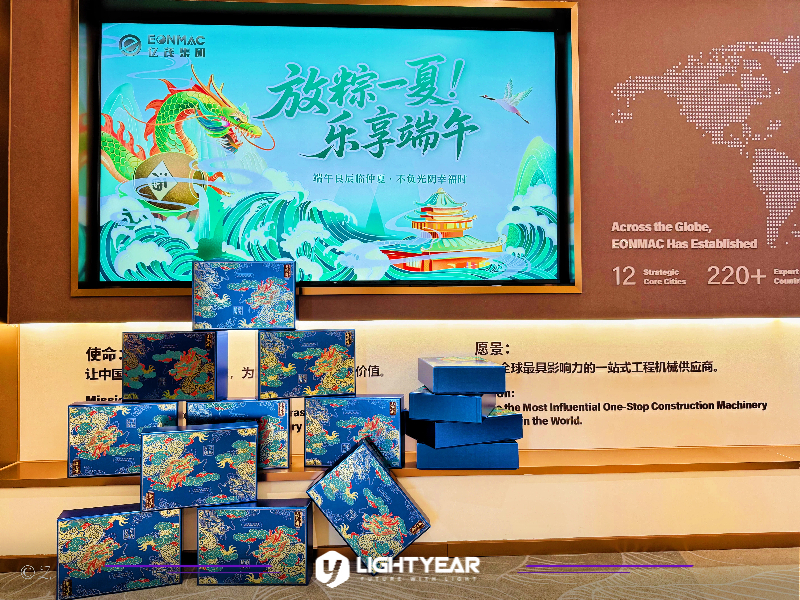 2026-06-19Aromatic zongzi, warm hearts — happy Dragon Boat Festival!LIGHTYEAR team celebrated the Dragon Boat Festival by gifting employees customized zongzi gift boxes, showcasing its appreciation and people-oriented culture. The festive gesture boosted team spirit and employee morale as the company looks ahead to future success together.
 -
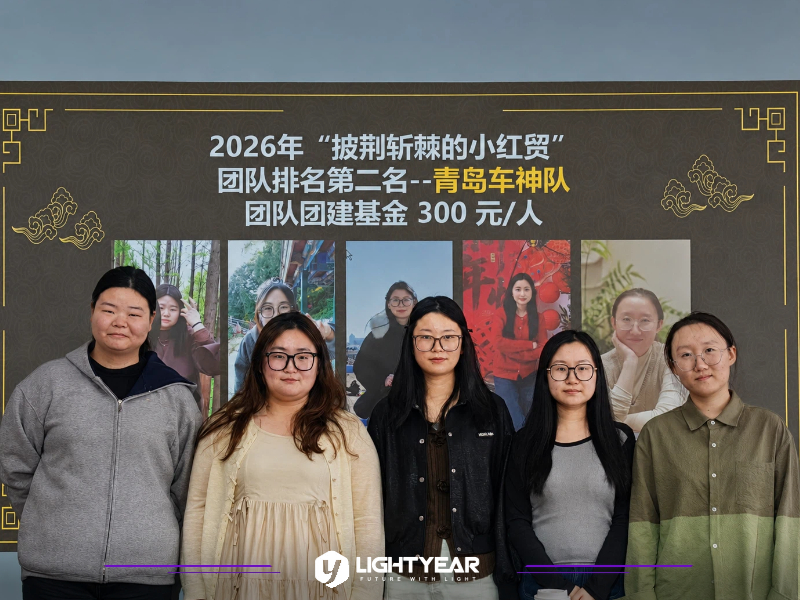 2026-05-20From the Track to the Table: A Victory Feast for the LIGHTYEAR Racing TeamThe Lightyear Racing Team from Eonmac Group won a team award in the 2026 "Trailblazing Young Traders" Newcomer Competition, earning a team-building fund. After the competition, the team used the prize for a celebratory dinner — transforming their hard-won reward into a meaningful moment of camaraderie. The gathering strengthened team cohesion and boosted morale for future international market expansion. It was not just a meal, but a tribute to collective effort and professional excellence.
LIGHTYEAR News

Lightyear Auto (Qingdao) Co., Ltd.
Lightyear Future Limited
Lightyear Future Limited







 SUV
SUVContact Us
 +86-532-8579-6999
 +86-532-8579-6999
 +86-178-6290-1191
+86-178-6397-6609

 Suite 2504, Block A, Tsingtao Center Mansion, No. 8 Hong Kong Middle Road, Shinan Dist., Qingdao, Shandong, China
Back To Top
©LIGHTYEAR 2008-2026 / All Rights Reserved.沪ICP备17022911号-1