
 +86-532-8579-6999
 export@lightyearauto.com
 Shandong, China




 Aug 20, 2026
 30
30
When a driver took his faulty EV to an independent repair shop, the mechanic hit a wall—not a missing wrench, but a locked-down system. The diagnostic codes and testing protocols for the battery, motor, and electronic controls were encrypted. Without factory equipment, even obvious symptoms couldn't be properly diagnosed.
This is not an isolated case. According to a recent Securities Times investigation, 23 Chinese EV makers have been declared bankrupt, entered liquidation or restructuring, or effectively ceased operations as of May 2026. Together, they sold approximately 850,000 passenger EVs legally. These vehicles will not disappear with their makers—they will remain on the road for years.
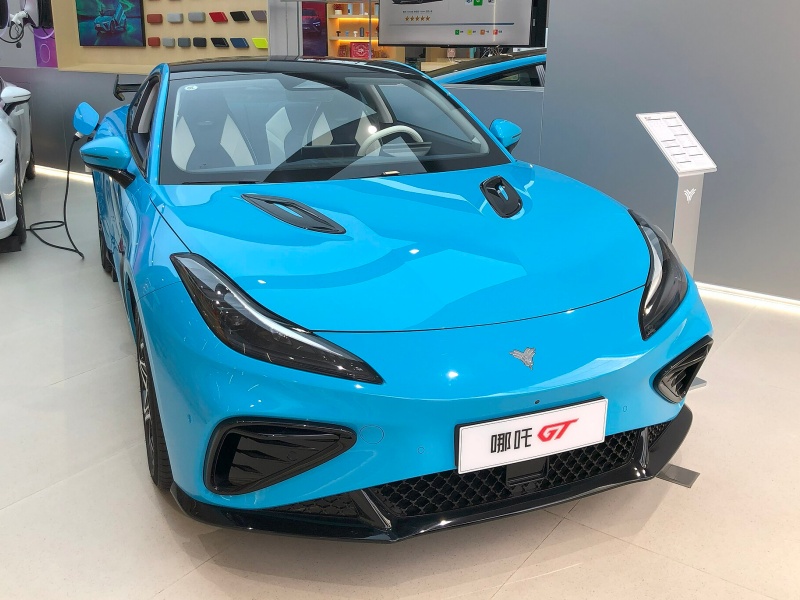
Risks Unfold in Three Stages
Stage One: Service Network Collapse. When dealerships exit, routine maintenance can still be outsourced. But faults in the battery, motor, electronic controls, and high-voltage systems require proprietary equipment and technical documentation. Even if a former authorized workshop remains open, it may no longer access parts or data.
Stage Two: Parts Shortage. EV components—battery packs, thermal management systems, electronic controls, and smart cockpits—are highly specialized. Unlike mature ICE vehicle parts, substitutes are not readily available. When suppliers halt small-batch production, salvaged parts become the main source, with questionable quality, pricing, and traceability.
Stage Three: Cloud Service Shutdown. Features like phone-as-key, in-car accounts, remote climate control, navigation, and OTA updates all depend on active backend servers. Once these are switched off, the vehicle may still drive, but functions gradually degrade—and safety updates stop.
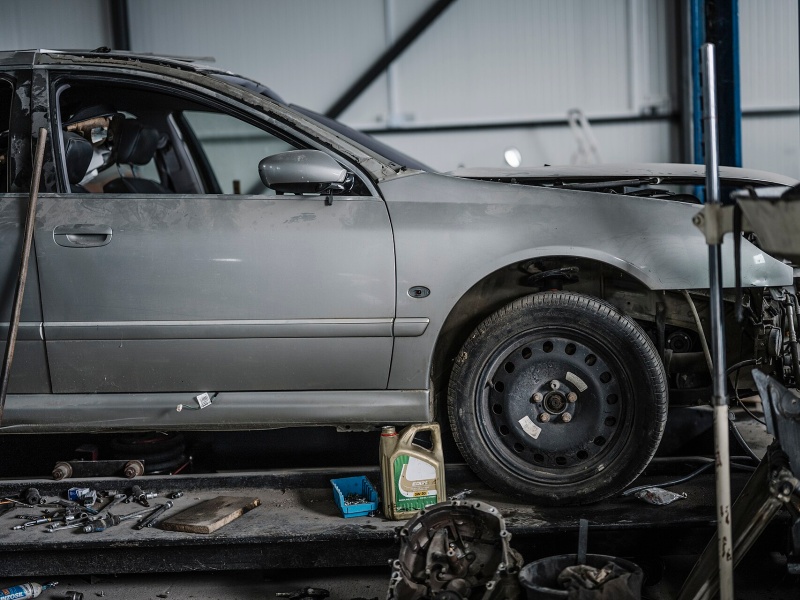
A Better Way: Mandatory Exit Mechanisms
Bankruptcy alone cannot solve these problems. Owners seeking compensation in creditor queues rarely secure usable diagnostic accounts, parts inventory, or cloud services. A more workable solution is to establish exit mechanisms while companies are still healthy: mandate escrow for repair manuals and diagnostic interfaces, reserve funds for parts supply and cloud services for a minimum period, and prioritize after-sales assets in restructuring plans.
A New Factor for Car Buyers
For consumers shopping today, a brand's service network, parts availability, and software continuity should weigh as heavily as range, performance, and smart features. The true cost of a vehicle includes whether it can still be repaired long after the manufacturer has left the building.










 SUV
SUV +86-532-8579-6999
 +86-532-8579-6999
 +86-178-6290-1191
 Suite 2504, Block A, Tsingtao Center Mansion, No. 8 Hong Kong Middle Road, Shinan Dist., Qingdao, Shandong, China